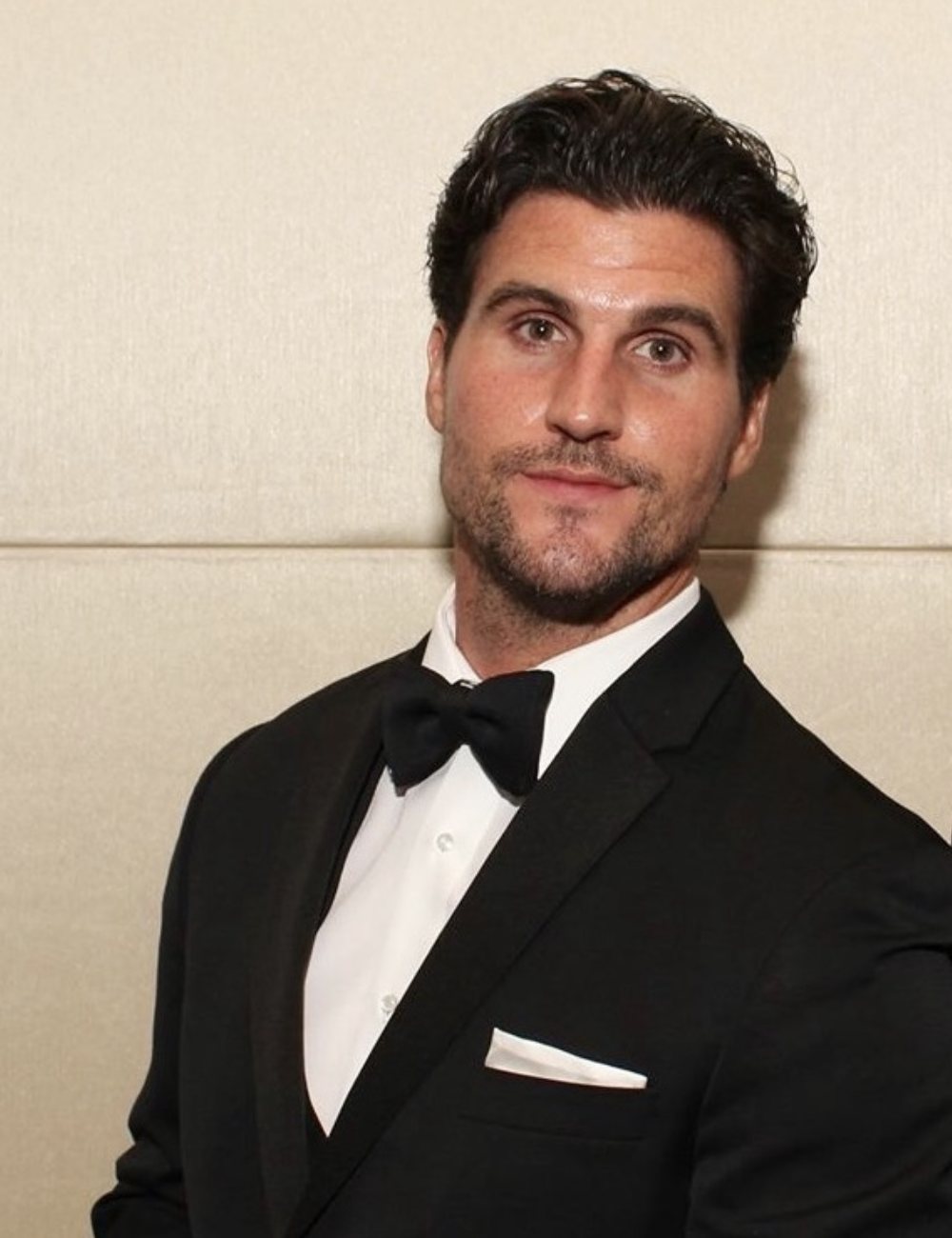
Garrett O'Rourke has spent a meaningful part of his career inside call centers, not as a consultant looking in but as an owner responsible for hiring, lead flow, payroll and results. Few environments expose the mechanics of a business as quickly.
Before taking on his current role as President of Commercial Development Group, O'Rourke owned and operated call centers, and he still considers that work one of the most complete business educations available. A call center compresses sales, people, technology and economics into a single room where the numbers update by the hour. From his base in Miami Beach, he now applies those lessons to broader commercial strategy, a thread that runs through his career in sales and business.
Scale Makes Every Weakness Visible
On a small sales team, a weak process can hide for months. One strong performer covers for a vague script, and nobody notices that follow-up is inconsistent. In a call center, volume removes that cover. When dozens of conversations happen every hour, a small flaw in training or lead routing repeats itself until it shows up in the results.
O'Rourke believes this is the first real lesson call centers teach: problems are rarely mysterious. They are usually visible in the data, or audible on the calls, for anyone willing to look. The managers who struggle are often the ones who review revenue at the end of the month instead of watching contact rates, conversions and follow-up activity during it.
People Are the System
It is tempting to think of a call center as a technology business built on dialers, software and dashboards. In O'Rourke's experience, the tools matter far less than the people using them. Recruiting, training and keeping good representatives decides whether the operation works. Turnover is expensive, not only in hiring costs but in every customer conversation handled by someone who is still learning.
That is why he favors hiring for character and coaching for skill. Scripts and product knowledge can be taught; dependability and a willingness to learn are much harder to manufacture. He also believes training should never stop at onboarding. Strong operations review real calls, talk through objections openly and keep refining their messaging, the same principles behind his approach to stronger sales teams.
The Economics Behind Every Call
Owning a call center also teaches you to think like an owner. Every seat carries a cost, and every lead was paid for. Revenue that looks impressive can disappear once staffing, technology, management and lead acquisition are accounted for. Garrett learned to watch margins as closely as sales, because growth that loses money on every customer is not really growth.
Those habits carried into his broader business work and into his investing. When he evaluates an opportunity now, he asks the questions a call-center owner asks. What does it cost to produce a result? Where does the process break? Who is actually doing the work, and do they have what they need to do it well?
Conclusion
The lasting lesson O'Rourke took from call centers is that business performance is mostly the sum of ordinary things done consistently: hiring well, training constantly, measuring honestly and listening to what actually happens on the calls. Those principles are not unique to call centers, but few places teach them as directly.